

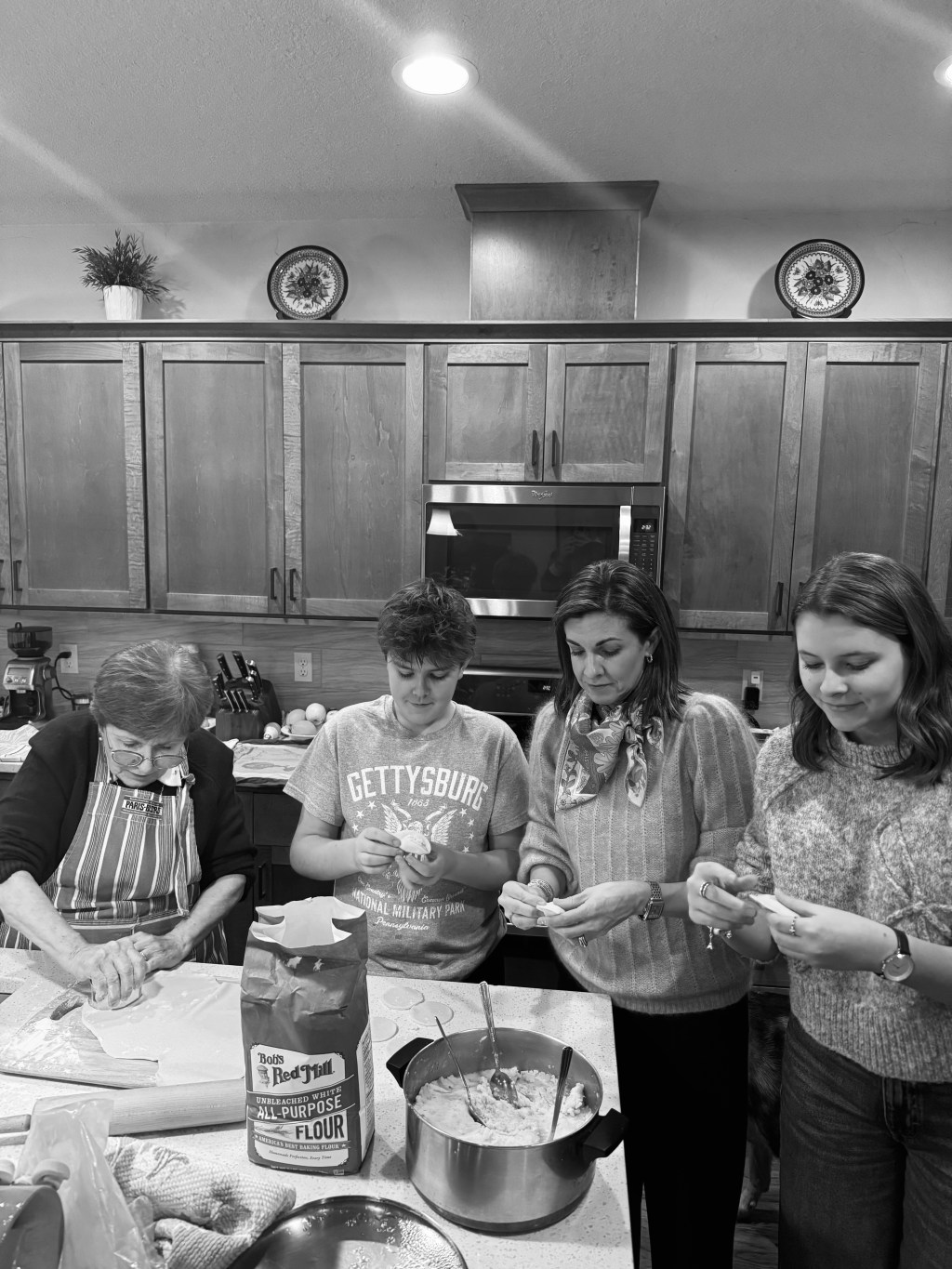
It’s an art that’s been passed down in my family from generation to generation. The ingredients and technique remain more or less the same. The dough is made from memory and touch; just a few notes scratched on an old post-it, rather than an overly calculated recipe. To achieve that perfect elasticity and consistency, it combines a balance of kitchen savviness and science. The fillings vary, but like the dough, retain the same taste as my grandma’s, aka babcia’s batch from decades past. Bridging any generational gaps, each year we gather together to roll and cut the dough, but it’s always grandma’s duty to teach the younger ones the technique of pinching and folding these pillowy delights. Other than the taste, the beauty in them lies in its swift way of annually inviting tradition and history to the table as it sparks nostalgia, and the gathering of loved ones, as well as old and new friendships.
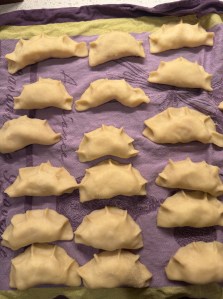
From East to West, many countries own a similar dish as part of their culinary repertoire and while some call them ravioli, others potstickers, and others empanadas, my family calls them pierogi. Every year my Polish roots crave these savory dumplings, along with barsczc (vibrant beet soup), and the rest of the Christmas Eve spread. As soon as Christmas is on the horizon, the preparations begin to welcome the big day, but often it’s in those provisional moments when deeper memories are made. When we come together to roll pierogi like it’s our job, it’s the conversations that happen in between each meticulous pinch that prompt reminiscing, as well as anticipation of what lies ahead in the next year. We seemingly prepare enough pierogi for 100 guests, so we are blessed with ample time for long dialogues, which only strengthen those bonds to the likeness of a tightly, pinched pierogi.
Recently, laughter surrounded my parent’s kitchen island where although some stories were told countless times, they elicit the same jovial response. This year, it was about my babcia and the steamed prunes at Christmas. Years ago, she left out a bowl of them to cool, readying them to dip in chocolate (not my favorite, but it was hers). Leaving them outside for only a few minutes, she suddenly burst into uncontrollable laughter once she caught sight of what happened. Our family dog, a cute little corgi, cleaned the bowl, eating every last one. He was not let back inside the house until, well, he was equally as clean from the inside-out, after the result of eating a pound of prunes. As though my babcia was there, we relished in that moment, remembering when she too was with us rolling pierogi. Some stories are only recounted during this time of year and a wonderful way for my kids to stay connected to family anecdotes and hopefully one day, continue the tradition at hand.

Food and tradition are beautiful things. They invite connection, peek into the past, and give people a sense of belonging, identity, and a way to better understand one’s culture and family. Some traditions are annual, some more frequent, some centuries old (pierogi actually dating back to at least the 13th century), and some newly founded. Whichever way they are celebrated or their longevity, their importance persists.

 maison.yvonnemarie@gmail.com
Leave a reply to Mom Cancel reply